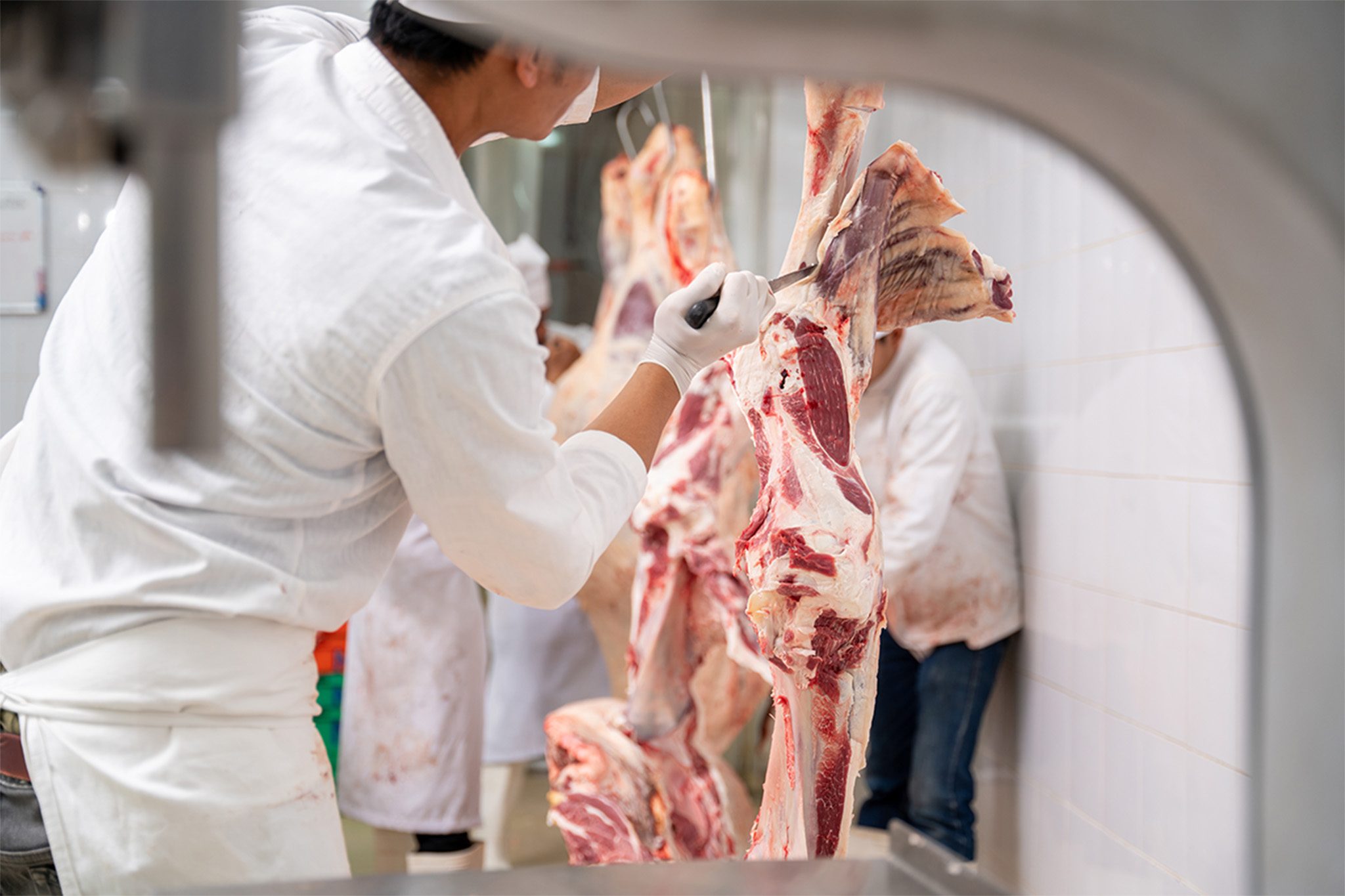
Understanding Food Production Staffing Challenges
Food production companies face a unique set of challenges when it comes to hiring and managing employees. The food industry is characterized by high turnover (around 30% annually in the US) and evolving skill requirements, making the recruitment and retention of quality employees a critical element of long-term business growth and stability.The Current Landscape
Many production facilities operate with tight margins and strict quality standards. When staffing issues arise, the entire operation can suffer. Understaffed production lines lead to delayed shipments, inconsistent product quality, and increased safety risks. In addition, the pressure to train new hires quickly adds strain on managers already dealing with hiring challenges.Impact on Production
The effects of these challenges are far-reaching:- Reduced Productivity: With fewer experienced workers available, production slows down.
- Increased Errors: New or overworked employees are more prone to mistakes that lead to product defects or safety incidents.
- Safety and Compliance Risks: In an industry where safety standards are paramount, any lapse in training can result in regulatory issues.
- High Costs: Frequent recruitment and ongoing training drive up operational costs, making it harder to maintain profitability and robust production staffing.
Recognizing these challenges is the first step in developing a comprehensive strategy to safeguard production.
The food industry is characterized by high turnover and evolving skill requirements, making the recruitment and retention of quality employees a critical element of long-term business growth and stability.
Strategies to Safeguard Against Production Staffing Shortages
A multifaceted approach is required to address these issues. Here are some key strategies:
Optimizing Recruitment Efforts
Adopting data-driven recruitment methods can help pinpoint where the most qualified candidates are located, thereby improving your overall employee acquisition. By analyzing hiring trends and employee data, companies can refine their recruitment strategies to attract candidates who are skilled and a good cultural fit, ultimately strengthening their production staffing.
Improving Retention Rates
Retaining skilled workers means offering compensation packages that recognize job demands and directly reward exceptional performance. By combining competitive base wages with performance-based bonuses, comprehensive health benefits, and flexible work schedules, companies can create a motivating environment. This approach not only rewards excellence but also enhances morale and productivity, ensuring that top talent remains part of your core production staffing.
Investing in Training, Onboarding, and Continuous Improvement
One of the most critical areas to address staffing challenges is the training and onboarding process. Efficient onboarding not only equips new hires with the necessary skills quickly but also sets the tone for a culture of continuous improvement—a vital component for strong production staffing. In today's digital age, the way training is delivered and monitored is undergoing a significant transformation.
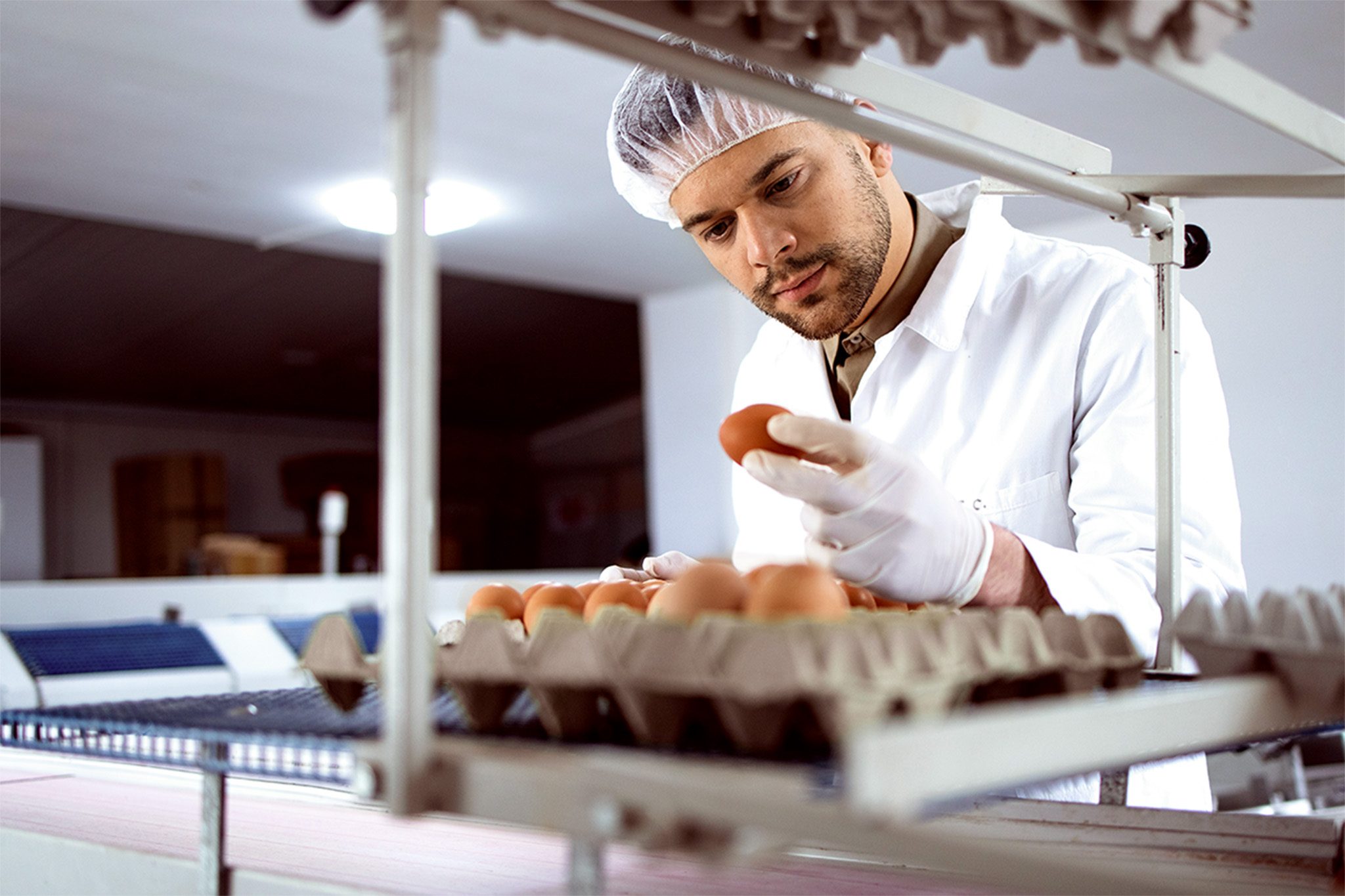
Modernizing Onboarding with Digital Solutions
Traditional training methods often struggle to keep pace with today's fast-moving production environments. Traditional training methods can be time-consuming, inconsistent, and often fail to capture the nuanced performance metrics needed for continuous improvement and effective production staffing. In contrast, digital systems transform onboarding by providing real-time data—allowing managers to get continuous updates on operator performance without waiting for periodic reviews—and ensuring consistency through standardized instruction for every employee.
These solutions also offer scalability, easily adapting to the needs of small teams or entire production lines, and deliver actionable insights that empower managers to make informed decisions about training efforts and staffing adjustments. Solutions like FloVision Nano and FloVision Pro continuously analyze individual operator output, capturing detailed performance data to identify patterns and trends, and facilitate quick training interventions. The result is a streamlined training process that accelerates learning and optimizes overall production by reducing errors, minimizing downtime, and reinforcing robust production staffing.
Integrating Performance Monitoring into Training
Modern digital platforms can track individual progress in real time. Systems like FloVision Nano and FloVision Pro streamline onboarding by monitoring the performance of each operator on the production line. These tools automatically analyze output data and flag areas where extra support or further training might be needed, ensuring that each worker is optimally placed in the production process. For example, if an operator consistently struggles with a particular task, the system highlights this pattern, prompting targeted retraining or reassigning them to a role where their talents can be better utilized—all of which ultimately supports sound production staffing.
Key Benefits of a Digitally Enhanced Onboarding Process
- Accelerated Learning Curve: New hires quickly assimilate essential procedures and best practices, reducing the time to full productivity and reinforcing strong production staffing.
- Consistent Training Quality: Digital modules ensure every employee, regardless of when they join, receives the same level of instruction and evaluation.
- Real-Time Feedback: Immediate insights from tools like FloVision Nano and FloVision Pro allow managers to intervene promptly, refining training programs as needed.
- Empowered Management: With detailed performance data, managers can make informed decisions that boost overall efficiency and safety on the production floor.
 Incorporating these solutions into your training and onboarding process not only helps new employees hit the ground running but also supports ongoing performance improvements across your workforce and enhances overall production staffing.
Cross-Training and Skill Diversification
Beyond modernizing recruitment and training, cross-training employees can provide much-needed flexibility on the production floor. Workers who develop skills in multiple areas create a more versatile and resilient workforce. This approach not only helps cover staffing gaps when they occur but also keeps employees engaged by broadening their skill sets.Strategic Partnerships and Outsourcing
Sometimes, internal efforts alone may not be enough to resolve staffing challenges. Partnering with staffing agencies, technical schools, or specialized training providers can offer additional support. These collaborations can provide a steady pipeline of skilled workers and supplement in-house training programs with expert resources.Workers who develop skills in multiple areas create a more versatile and resilient workforce.
Implementation Strategies for a Resilient Workforce
Adopting these strategies requires thoughtful planning and effective execution. Here's how you can integrate these approaches into your production operations to strengthen your staffing efforts:
Step-by-Step Integration
- Evaluate Current Processes: Begin by assessing your current recruitment, training, and performance monitoring methods. Identify where the biggest gaps are and what immediate changes can have the most impact on your staffing challenges.
- Develop a Comprehensive Plan: Create a roadmap that includes enhanced recruitment strategies, improved retention, investment in digital training solutions, and cross-training programs—all aimed at bolstering your workforce.
- Pilot Digital Solutions: Before a full-scale rollout, consider piloting digital tools like FloVision Nano and FloVision Pro on a single production line. This helps you understand the benefits, address any issues, and refine the implementation process.
- Train Your Managers: Ensure your management team is well-versed in using these new tools. Their ability to interpret the data and act on it is crucial to the success of your strategy.
- Monitor and Adjust: After implementation, continuously monitor key performance indicators such as training completion rates, production uptime, error reduction, and employee retention. Use this data to make iterative improvements to your processes.
Change Management
Switching from traditional methods to a technology-enhanced approach can be challenging. Effective change management is essential:
- Communicate Clearly: Keep your employees informed about the reasons for the change and the benefits it will bring. Transparency helps ease resistance.
- Provide Adequate Training: Equip your staff with both the technical skills and the understanding of how these tools will improve their work.
- Solicit Feedback: Encourage employees to share their experiences and suggestions for improvement. This feedback is invaluable for fine-tuning the system.
Monitoring Success
To ensure that your strategies are working, establish clear KPIs:
- Training Completion Rates: Track how quickly new hires complete their training.
- Production Uptime: Monitor the overall efficiency of your production lines.
- Error Reduction: Measure the decrease in production errors after implementation.
- Employee Retention: Keep an eye on overall job satisfaction and turnover rates.
Staying ahead of the curve means investing in emerging technologies and maintaining proactive planning.
Future-Proof Your Production Staffing
The challenges of today's workforce won't disappear overnight. To remain competitive, food production companies must be prepared for continuous change and evolving staffing needs.
Staying Agile
Embracing a mindset of continuous improvement is key. By staying alert to industry trends and technological advancements, you can adapt your recruitment, training, and performance monitoring strategies as needed. This flexibility not only addresses current challenges but also prepares your organization for future disruptions.
Embracing Continuous Learning
Investing in ongoing employee development is a long-term strategy that pays dividends. Regularly updating training programs and performance monitoring tools ensures that your workforce remains skilled, engaged, and ready to tackle new challenges. Encouraging a culture of learning ultimately strengthens your overall staffing strategy.
Preparing for Future Challenges
Staying ahead of the curve means investing in emerging technologies and maintaining proactive planning. Whether it's adopting new digital tools, refining your training processes, or forming strategic partnerships, being prepared will help you weather the inevitable staffing challenges that come with an evolving industry landscape.
Secure a Competitive Edge in Staffing
Staffing challenges in the food production industry are complex, but they are not insurmountable. By implementing a multifaceted strategy that includes enhanced recruitment practices, improved retention programs, modernized training methods, and advanced performance monitoring, production managers can safeguard operations against the disruptive impacts of labor shortages and improve overall staffing effectiveness.
Digital solutions like FloVision Nano and FloVision Pro exemplify how technology can provide real-time insights into operator performance, flag areas for improvement, and ultimately create a more efficient and safe production environment. Leveraging these tools alongside other strategic initiatives—such as cross-training and strategic partnerships—enables companies to build a resilient workforce that not only meets today's challenges but is also prepared for tomorrow's opportunities in production staffing.
Take a proactive approach by evaluating your current strategies and exploring innovative digital solutions to boost your production staffing. The benefits are clear: reduced errors, faster training, enhanced productivity, and a safer workplace.