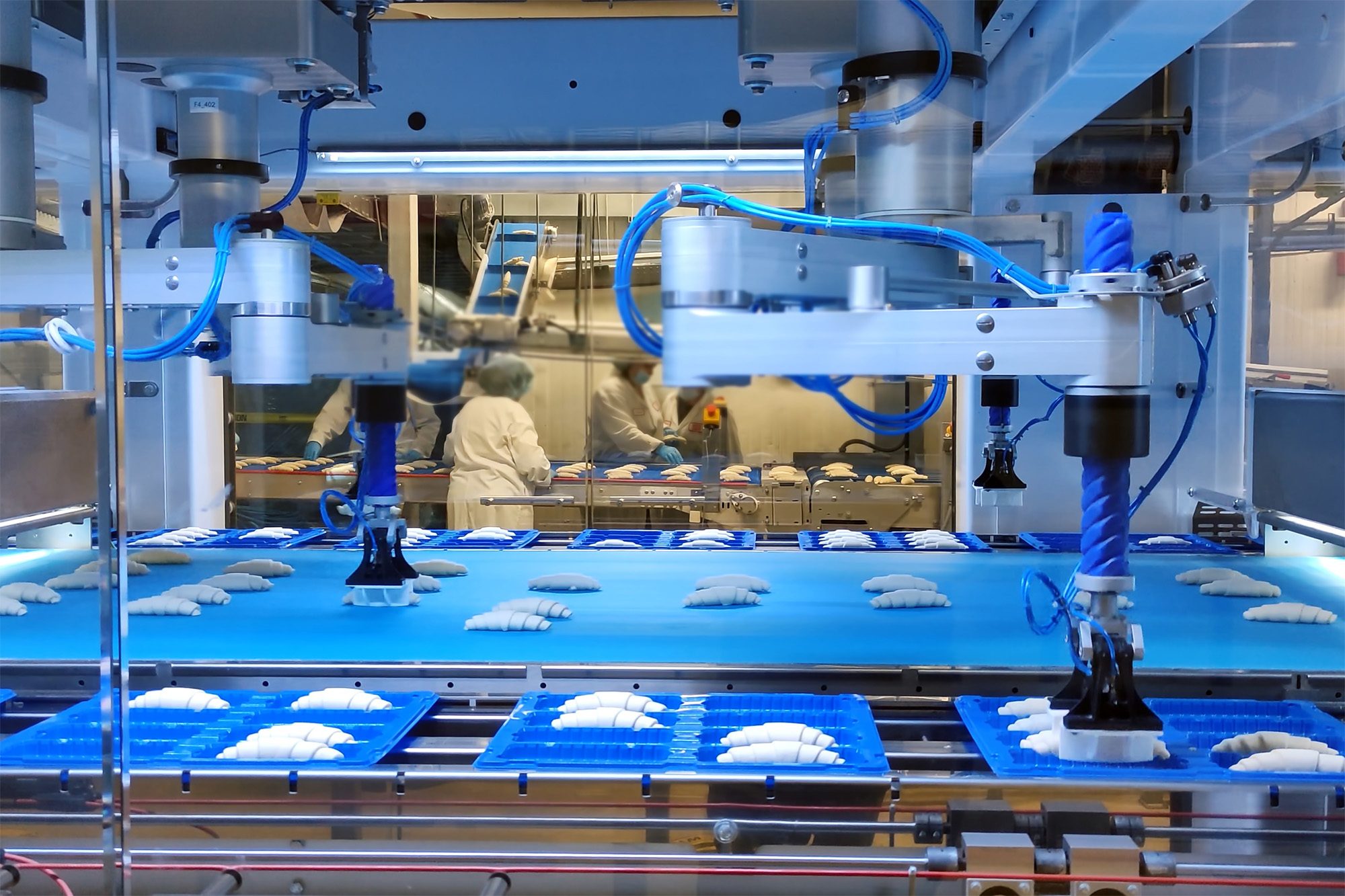
To increase throughput, processors must focus on automation, instantaneous quality control, workforce optimization, predictive maintenance, and efficient plant layouts. According to Food Engineering's State of Food Manufacturing Survey in 2023, 56% of food processors saw an increase in throughput in the past year, making it critical for others to prioritize throughput optimizations to stay competitive.
Below, we break down the four most effective strategies for food processors looking to increase throughput while maintaining product quality and yield.
Optimize Line Efficiency with Process Automation
Manual processing is slow and inconsistent, leading to bottlenecks that limit throughput. Investing in automation and AI-driven monitoring systems helps plants move faster while maintaining precision. The more efficiently a facility can move raw materials through cutting, trimming, and packaging, the more they can increase throughput without requiring additional resources.
Key Areas Where Automation Can Increase Throughput
- Portioning & Slicing: Automated portioning ensures consistent cut sizes and weights, reducing waste and rework.
- Deboning & Trimming: Poultry and pork deboning robots work faster than manual labor while improving yield.
- Sorting & Inspection: AI-powered systems identify mis-trimmed cuts, foreign objects, and underweight portions in real time.
Using AI scanning, FloVision Pro evaluates food products as they are processed, detecting inconsistencies or production errors within milliseconds. Instead of stopping production for manual inspection, operators receive instant feedback to correct issues. This aggregated data also enables processors to make high-level decisions that improve product flow and increase throughput through consistent, high-speed operations.
By combining smart automation with real-time AI monitoring, processors speed up production, reduce rework, and increase overall yield per shift.
The more efficiently a facility can move raw materials through cutting, trimming, and packaging, the more they can increase throughput without requiring additional resources.
Improve Workforce Utilization and Training
Even in highly automated plants, an efficient workforce is crucial to increase throughput. Poor training and slow decision-making often lead to bottlenecks, rework, and production delays. Employees who are well-trained and can react quickly to production challenges contribute to faster, more efficient workflows that naturally increase throughput.
Key Workforce Challenges in Food Processing
- High turnover rates lead to constant retraining.
- New hires struggle with throughput speed and make costly mistakes.
- Inexperienced workers require training from experienced workers, reducing the available staff.
Instead of relying on traditional training programs, processors are using real-time AI feedback from systems like the FloVision Pro and FloVision Nano to train new workers faster and help them make better decisions on the line. By equipping employees with real-time insights and AI-driven feedback, processors empower their workforce to work faster and with greater accuracy, helping to increase throughput without adding additional labor costs.
With Instant AI-Driven Insights, Operators Can:
- Learn faster on the job, reducing onboarding time.
- Correct mistakes immediately, rather than waiting for a supervisor.
- Work more efficiently, leading to faster line speeds.
- Cross-train on multiple workstations to reduce slowdowns caused by staff shortages or machine-specific expertise gaps.
Minimize Product Defects and Waste
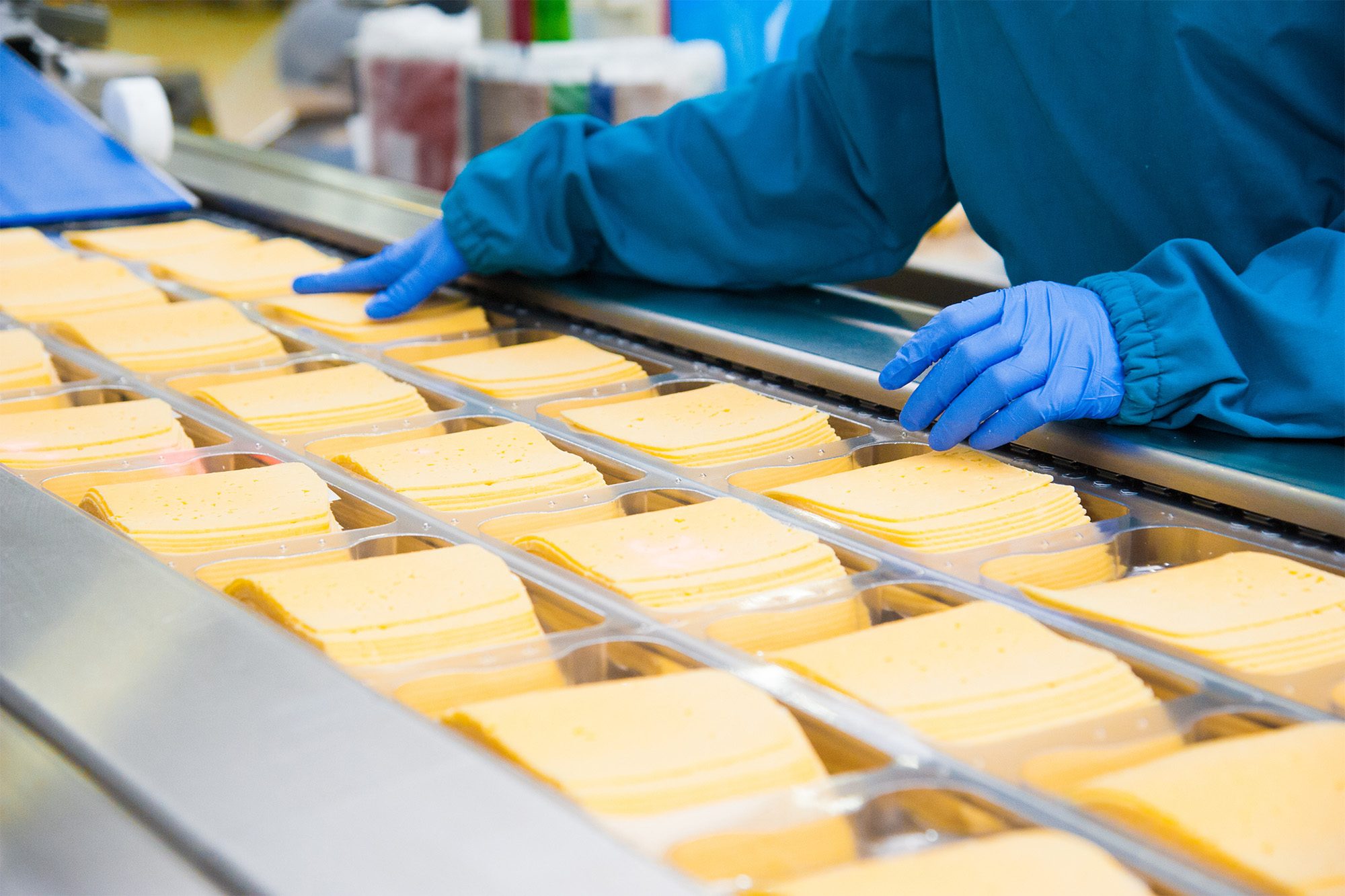
Defective products slow down throughput because they require rework, increase waste, and lead to regulatory compliance issues. Inconsistent cuts, mis-trimmed portions, and contamination all result in lost time and lower yield.
The Cost of Quality Control Failures
- Each rejected product means lost revenue and wasted raw material.
- Rework slows down production and reduces efficiency.
- Foreign object contamination can shut down entire lines, leading to massive throughput losses.
Using AI to Reduce Rework and Improve Yield
AI systems like the FloVision Nano automatically scan products for defects before they cause disruptions. Instead of relying on manual inspection—which can be slow and inconsistent—these systems identify improper portioning, spec measurements, and contamination issues in real time. By reducing errors before they require rework, food processors can cut waste and increase throughput without sacrificing product quality.
Enhance Predictive Maintenance and Equipment Uptime
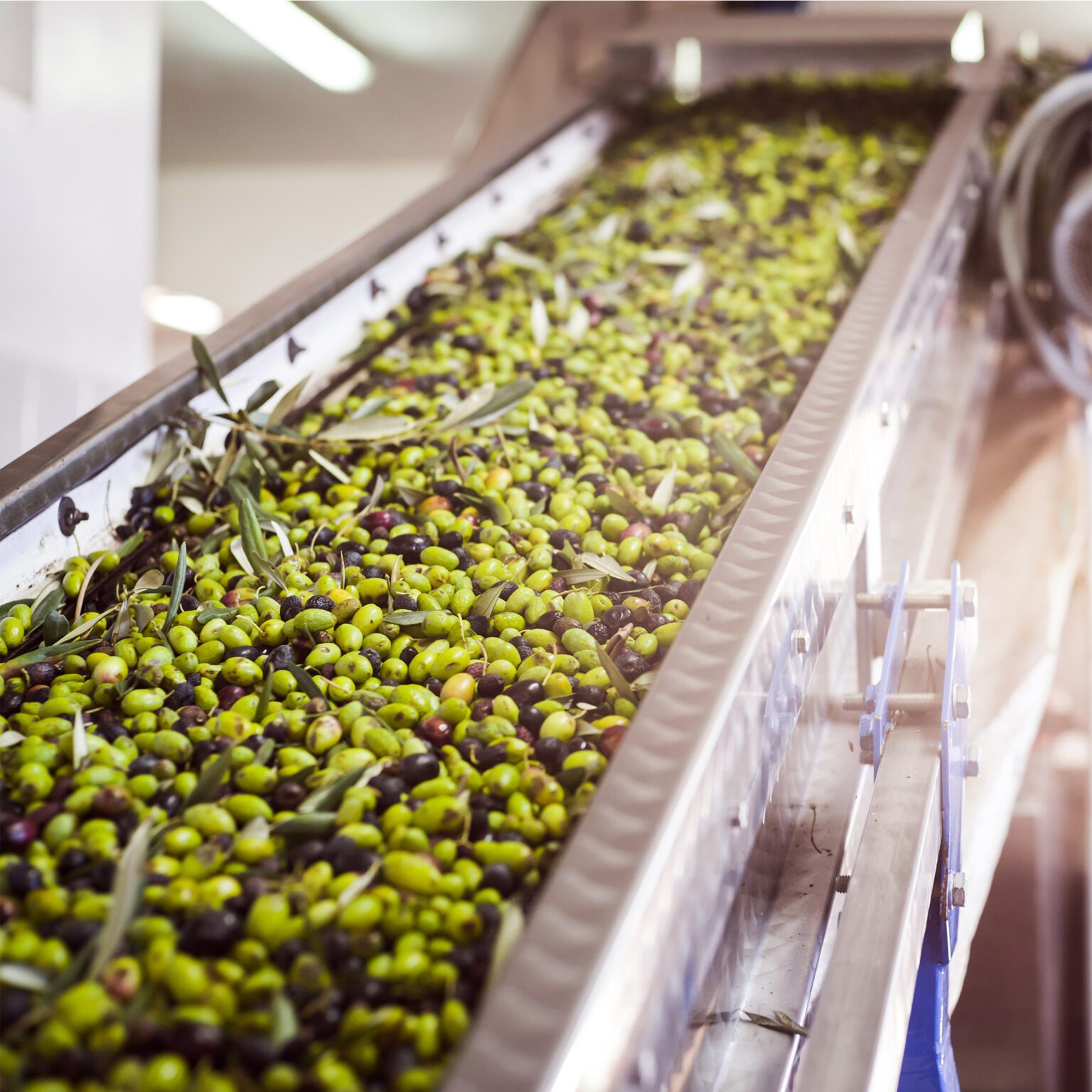
Machine downtime affects throughput dramatically. When a slicer, deboner, or conveyor system goes offline, production slows—or stops entirely. Predictive maintenance automatically schedules maintenance and prevents unexpected breakdowns that bring production to a halt.
Pairing predictive maintenance with AI-driven quality control ensures that both product quality and machine reliability are maintained, further boosting throughput. Processing plants that implement predictive maintenance strategies experience fewer unexpected slowdowns, allowing them to increase throughput by keeping their lines running at maximum efficiency.
Optimize Workflow and Plant Layout
Even with the best technology and workforce, a poorly designed plant layout creates inefficiencies that slow down throughput. Food processors must ensure their workflow is optimized for speed, minimal movement, and seamless transitions between stations.
How Poor Layout Design Reduces Efficiency
- Workers walking long distances between stations.
- Material bottlenecks at high-traffic areas.
- Sorting and inspection placed too far from key processing areas.
How Food Processors Can Optimize Plant Layouts
- Reduce walking distance between trimming, packaging, and inspection stations.
- Position quality control closer to the line to minimize handling time.
By reducing errors before they require rework, food processors can cut waste and increase throughput without sacrificing product quality.
Maximize Throughput and Boost Profits
To stay competitive, food processors must increase throughput while keeping yield, quality, and staff performance in check. By implementing automation, AI-driven quality control, predictive maintenance, and optimized plant layouts, food processors can achieve higher efficiency and increased profitability.
Additionally, improving throughput isn't just about increasing speed—it's about maintaining consistent quality and reducing inefficiencies. Processors that can achieve higher throughput while maintaining premium product standards will have a competitive edge in an industry that demands both volume and precision.
With rising operational costs, the ability to produce more while reducing waste has never been more critical. Companies that embrace AI-driven solutions and automation will be better positioned to handle future challenges, from labor shortages to fluctuating supply chain demands. With consumer demand continuing to rise, now is the time for processors to optimize their operations and embrace smart technology to remain competitive.